Erich Fromm
Alemanha · No mapa · Acadêmicos · 1900 - 1980 · 79 anos
Erich Fromm (Francoforte, 23 de março de 1900 - Muralto, 18 de março de 1980) foi um psicanalista, filósofo humanista e sociólogo alemão. A partir do final da década de 1920, representou um socialismo democrático e humanista.
Texto de Wikipedia, CC BY-SA 4.0
Erich Fromm: cerca de 1.570 leituras por dia, em 71 idiomas.
Um dia típico, 30 dias até 20 de novembro de 2026
O dia do meio entre os dias contados, então uma única semana de notícias não consegue alterá-lo. A linha abaixo mostra os últimos 400 dias, um ponto por dia.
Algo errado?Uma vida em datas
Pessoas ao redor de Erich

 Alfred Weber Deu aulas a Erich
 Karl Marx Influenciou Erich
 Sigmund Freud Influenciou Erich
 Laozi Influenciou Erich
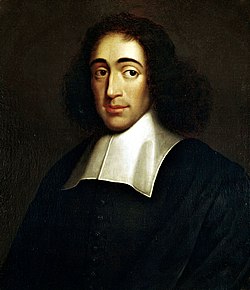 Baruch Spinoza Influenciou Erich
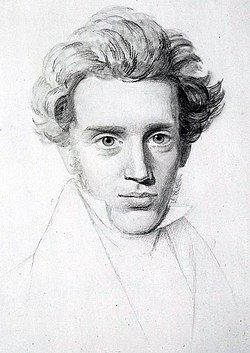 Søren Kierkegaard Influenciou Erich
 Alfred Adler Influenciou Erich
 Meister Eckhart Influenciou Erich
 Hermann Cohen Influenciou Erich
 Johann Jakob Bachofen Influenciou Erich
 bell hooks Recebeu influência de Erich
- Harry Stack Sullivan Cofundação: William Alanson White Institute
- Clara Thompson Cofundação: William Alanson White Institute
- Karl Landauer Cofundação: Frankfurter Psychoanalytisches Institut
 Erich Fromm
Cônjuges e companheiros
É a família toda?
Só aparecem os parentes que têm perfil aqui, então a família pode ser maior. Uma ligação aqui também pode estar errada.
Corrigir esta famíliaMídia e música
Fotos 7


Nas próprias palavras 6
, The two most far-reaching critical theories at the beginning of the latest phase of industrial society were those of Marx and Freud.
What is it that distinguishes man from animals? It is not his upright posture. That was present in the apes long before the brain began to develop. Nor is it the use of tools.
Human history began with an act of disobedience, and it is not unlikely that it will be terminated by an act of obedience.
Prêmios
Sobre esta pessoa
Suas contribuições para a psicanálise, para a psicologia da religião e para a crítica social o estabeleceram como um pensador influente do século XX, embora muitas vezes tenha sido subestimado no mundo acadêmico. Muitos de seus livros entraram para a lista dos mais vendidos, notavelmente A Arte de Amar (1956) e Ter ou Ser (1976). Seus pensamentos também foram amplamente discutidos fora do mundo profissional.
Texto de Wikipedia, CC BY-SA 4.0